Learn the Trauma Recovery Model and practical strategies for helping troubled kids and adults.
View Course DetailsHello, we are the TRM Academy - providing the full range of training, resources and support needed to get you and your teams up and running with the Trauma Recovery Model.
The Trauma Recovery Model is a road map to help professionals care for and guide troubled people towards recovery. It's a composite model; combing theories of child development, attachment and neuroscience with hands on practitioner skills.
It provides practical guidelines for knowing which interventions to use and when. This means practitioners understand the psychological needs that underpin behaviours and can identify the types of interventions that best address those needs.
Working in the TRM way puts relationship building and therapeutic interaction first, mediating the impact of trauma. This paves the way for interventions that are tailored and sequenced in a way that really can make a difference.




Provide a supportive safety net for learning
Confidence - Achieving goals
Autonomy within the supported context - Increased self-determination
Guided goal-setting - Targets - Scaffolded structure - Support into education/ training - Help to structure free time - Motivational interviewing
Increased self-belief/ esteem - Acceptance of abilities/ potential
Adult guided & supported planning - Sense of purpose & achievement - structured to maximise the chances of success
Cognitive interventions e.g. anger management - victim empathy - Consequential thinking - Good Lives approach - Restorative practice
Calmer - Increased insight into behaviour - More balanced self-narrative
Integration of old & new self - Development of confidence in thinking & planning skills
Specialist therapeutic intervention re: trauma - Containment - Co-regulation - Interactive repair - Bereavement counselling
Return to difficult behaviours as trauma is processed - Clingy or rejecting of staff
Processing past experiences - Grieving losses
Maximum 1:1 times with adults - Clear boundaries - Maintenance of structure/ routine
Smiling more - Building closer relationships with 1 or 2 staff - Increased willingness to comply with routines - Ongoing peer relationship difficulties - Ongoing confrontational/ challenging outbursts
Need to develop trusting relationships with appropriate adults - Need to develop a secure base
Regular meals & bedtimes - School - Clear boundaries
Challenging behaviour (aggression, absconding, self-harm) - Disjointed & inconsistent living arrangements - Drug use - Poor sleep/ hygiene - Offending - Poor nutrition - Inappropriate relationships - Over-reliance on peers
Need for structure and routine in everyday life

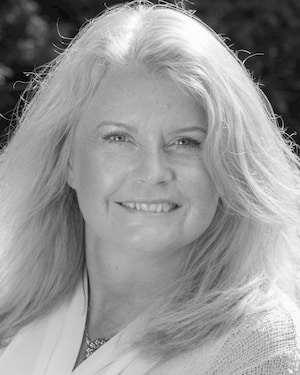
Tricia is the Clinical Director for TRM Academy and co-author of the Trauma Recovery Model. She is an Associate Fellow of the British Psychological Society and is a registered practitioner with the Health Care Professions Council. Tricia has a special interest in attachment and trauma related difficulties in children, adolescents and young adults; particularly those involved in the looked after and criminal justice systems.
Tricia worked in the NHS for 17 years and, as Consultant Clinical Psychologist for the All Wales Forensic CAMHS Team she was the clinical lead for the application of the TRM into youth justice under the Enhanced Case Management Programme. Tricia has previously worked in Hillside Secure Children's Home, mainstream Child and Adolescent Mental Health and in Learning Disability services. Tricia taught on the South Wales Clinical Psychology Doctoral Training Programme at Cardiff University and also provided clinical placements and supervision for doctoral trainees. Prior to retraining as a clinician Tricia worked as a Research Fellow at Loughborough University, Dartington Social Research Unit (University of Bristol) and The Trust for the Study of Adolescence. Her PhD was in Psychology looking at outcomes for teenage mothers and their babies.
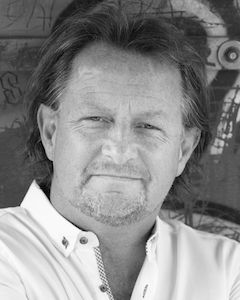
Jonny is a part time Practice Change Lead for the YJB. He is working to develop, test and evaluate the ECM in youth offending teams for young people with complex and prolific offending histories. He is also Youth Forensic Co-ordinator for FACTS, where he is the harmful sexual behaviour specialist.
In addition, Jonny works as a freelance consultant social worker and criminologist for the public, private and charitable sectors. This includes consultancy, training, assessment, inspection, editing and supervision.
Jonny has a background as a youth offending team (YOT) officer for 5 years, 10 years as an adolescent sexual offending specialist with Barnardo's and three years as Deputy Manager of Hillside Secure Children's Home. He writes a blog at JonnyMatthew.com and recently published his second book, 'Working With Troubled Children and Teenagers.'
Jonny is a former Chair of NOTA Wales and National Committee member of BASW Cymru.
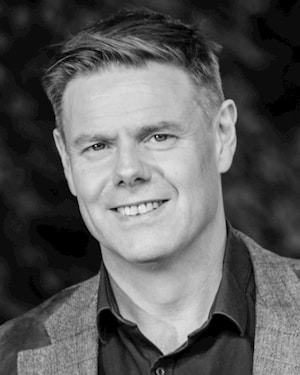
Dusty is Director of Consultancy at TRM Academy and a Visiting Fellow at the Faculty of Business and Society, University of South Wales.
Dusty has spent over 20 years working in youth work and the youth justice system. He began his career as a detached youth worker before moving into youth justice where he progressed through practice and policy, spending 6 years as Director of the YJB in Wales. In this role he was responsible for national oversight of youth offending teams, contracts and commissioning of the children's secure estate, government relations and developing innovative practice; including the ECM project to test application of TRM in YOTs.
Before this he spent three years as Welsh Government Head of Youth Justice Strategy; using experience gained in YOT practice and senior management at the national policy formulation level.
Most recently he returned to youth work as a member of the Interim Youth Work Board for Wales; a Ministerial appointment, where he led on Digital Youth Work.